
Overview of Narcotics Anonymous
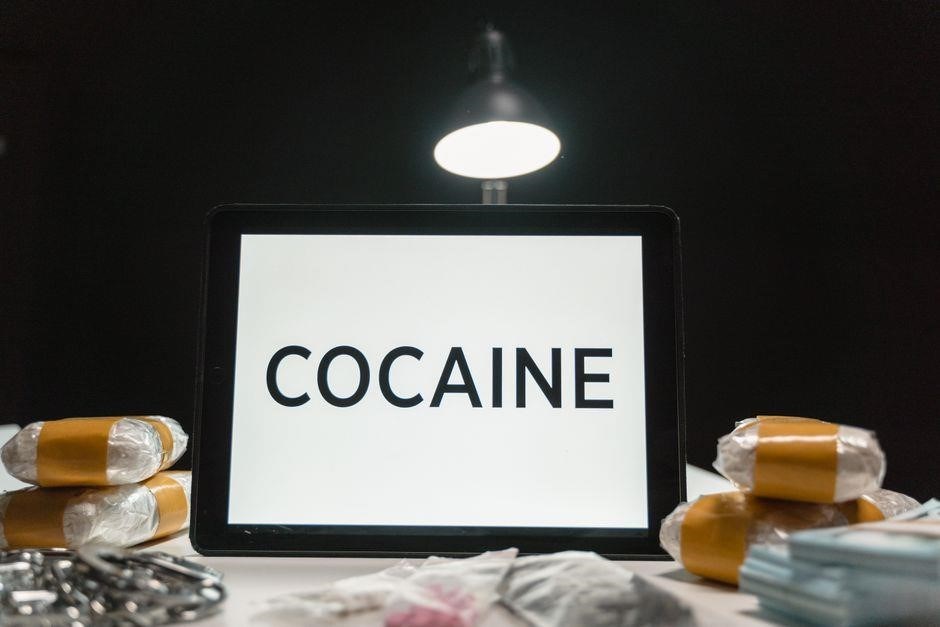
Narcotics Anonymous is a peer‑supported twelve‑step program that emphasizes personal responsibility, daily practice, and community accountability to overcome addiction. The PDF details steps, traditions, and practical guidance for sustained recovery. Its community fosters hope, resilience, and lasting change.!
Origin and History of the Fifth Edition PDF
The Fifth Edition PDF of Narcotics Anonymous, released by Narcotics Anonymous World Services, Inc., traces its lineage back to the original 1965 publication of the Twelve Steps of Narcotics Anonymous. The Fifth Edition, finalized in 2023, reflects a synthesis of contemporary addiction science and the enduring wisdom of the twelve‑step framework. Its development involved a collaborative editorial board of long‑time members, clinicians, and scholars who reviewed the text for accuracy, inclusivity, and accessibility. The PDF format was chosen to ensure global distribution, allowing members worldwide to access the material on any device, whether through print, e‑book, or online portal. By digitizing the classic text, the Fifth Edition preserves the original spirit while embracing modern technology, thereby extending the reach of the program to new generations of seekers for recovery.
The Fifth Edition also introduces a new appendix that summarizes key research findings on relapse prevention, and includes a glossary of terms to aid newcomers. The editorial process spanned two years, with multiple rounds of peer review and member feedback collected through online surveys and focus groups. The final PDF was approved by the Narcotics Anonymous International Board of Directors in a virtual meeting held in March 2023. Since its release, the Fifth Edition has been translated into twelve languages and widely adopted by international chapters, reinforcing its global impact!!!
Distribution and Accessibility of the PDF
Since its release, the Fifth Edition PDF has been made freely available through the official Narcotics Anonymous website, where members can download the file in PDF, e‑book, and plain text formats. The organization also partners with major digital libraries and open‑access repositories, ensuring that the document can be accessed on any device—desktop, tablet, or smartphone—without the need for specialized software. In addition, the PDF is distributed in over a dozen languages, with translations overseen by regional chapters, which can be maintained to maintain cultural relevance and accuracy. For individuals with limited internet connectivity, the program offers physical copies through local chapters, which can be requested via email or in person. The file size is optimized to be under 2 MB, allowing quick downloads even on mobile data plans. Accessibility features include selectable text for screen readers, adjustable font sizes, and high‑contrast mode, complying with WCAG 2.1 guidelines. The Narcotics Anonymous International Board of Directors has also made the PDF available through a secure, password‑protected portal for members who prefer a private, members‑only space. These distribution channels collectively ensure that anyone seeking the program’s guidance can obtain the material promptly, regardless of geographic or technological barriers. The PDF is also available as a printable booklet through local chapters, and a mobile app provides offline access and daily reminders. Its open‑source license lets chapters adapt the layout for regional needs while core content.
Structure of the Fifth Edition PDF
The Fifth Edition PDF is organized into distinct sections: front matter with title and copyright, a main body covering the Twelve Steps and Traditions, and supplementary appendices. Each part is labeled, facilitating easy navigation and reference for members.
Front Matter: Title, Publication Info, and Copyright
The Fifth Edition PDF begins with a clear front matter that establishes its identity and legal status. Centered at the top, the title “Narcotics Anonymous: Twelve Steps of Narcotics Anonymous” appears in bold serif type, followed by the subtitle “Fifth Edition, 2026.” Beneath this, the publisher line reads “Narcotics Anonymous World Services, Inc., New York, NY.” The layout follows a traditional format, with the title centered and the subtitle directly beneath, ensuring immediate recognition.
Immediately after the publisher information, the document lists the release year (2026), the revision date, and the last update date, ensuring readers that they are consulting the most recent version. A brief purpose statement—“A guide for members and sponsors to work the steps in order and maintain sobriety”—provides context for the material that follows. The dates are formatted as month/day/year to aid international readers.
The copyright section occupies the bottom of the front page. It states © 2026 Narcotics Anonymous World Services, Inc., with a reservation of all rights. A notice declares the Twelve Steps and Traditions as public domain, allowing free use for personal and group study. The page also includes a disclaimer that the PDF is not medical advice and a contact line for support services. The disclaimer also reminds users that the program is a spiritual path, not a substitute for professional treatment.
Finally, a small footer credits the PDF’s designer and the software used to produce the document, completing the front matter and preparing the reader for the program’s core content. This meticulous front matter reflects the organization’s commitment to clarity, accessibility, and legal compliance.
Main Body: The Twelve Steps and Twelve Traditions
The core of the Fifth Edition PDF is the structured presentation of the Twelve Steps followed by the Twelve Traditions. Each step is introduced with a concise title, a brief explanation, and a suggested daily practice. The PDF emphasizes that the steps must be worked in the order they appear, reinforcing the idea that each step builds upon the previous one. The text includes practical examples, such as journaling prompts and group discussion questions, to help members internalize the lessons.
Following the Steps, the Traditions are listed in a separate section. Each Tradition is numbered, with a short summary that highlights its purpose: maintaining anonymity, supporting the program’s integrity, and fostering unity among members. The PDF also provides guidance on how to apply each Tradition in everyday meetings, encouraging sponsors and attendees to reflect on how anonymity and mutual support shape their recovery journey.

Throughout the main body, the language is supportive and non‑judgmental, reflecting the program’s emphasis on personal responsibility and spiritual growth. The layout uses clear headings, bullet points, and ample white space to aid readability. This design ensures that both new members and seasoned participants can navigate the material with ease, making the PDF a practical tool for daily use and group study.

The Twelve Steps Explained
Step 1: Admit powerlessness. Step 2: Hope via spirituality. Step 3: Surrender to a higher power. Step 4: Moral inventory. Step 5: Admit wrongs. Step 6: Ready to change. Step 7: Ask for removal. Step 8: List harmed. Step 9: Make amends. Step 10: Continue inventory. Step 11: Seek spiritual growth. Step 12: Share the program

Step 1: Admission of Powerlessness
In the first step of the Narcotics Anonymous program, participants confront the stark reality that their addiction has taken control of their lives, leaving them unable to manage cravings, responsibilities, or relationships. This admission is not a sign of weakness but a courageous acknowledgment of personal limits. By recognizing that they cannot rely solely on willpower, members open themselves to the possibility of change. The step encourages honest self‑reflection, often facilitated by a sponsor or group discussion, where individuals share their struggles and admit that their previous coping mechanisms have failed. This honest appraisal creates a foundation for the next steps, allowing participants to let go of denial and accept the need for external support. The PDF emphasizes that admission is the first act of empowerment, as it shifts the focus from self‑blame to a collaborative effort toward recovery. The process involves writing a brief statement of powerlessness, which is then shared in a supportive setting, reinforcing accountability and the communal bond that underpins the program’s success. By confronting the truth about their addiction, members lay the groundwork for spiritual growth, moral inventory, and the willingness to seek help from a higher power or a supportive community. This step is essential because it breaks the cycle of denial, enabling participants to move forward with hope and a clear sense of purpose —!!!
Step 2: Hope Through Spirituality
Step 2 invites members to accept that a higher power can restore peace and purpose. It moves beyond the personal acceptance of powerlessness, offering a source of hope that transcends individual effort. Participants are encouraged to explore their own spiritual beliefs, whether rooted in religion, nature, or a personal sense of the divine. The PDF stresses that spirituality need not be dogmatic; it is a personal relationship with something greater than oneself. By acknowledging that the problem is beyond human control, members open the door to a supportive, unseen force that can guide them toward sobriety. The step emphasizes the importance of prayer, meditation, or other contemplative practices as tools for connecting with this higher power. It also encourages the sharing of personal experiences in group settings, fostering a sense of collective faith and mutual encouragement. The PDF outlines practical exercises: daily reflection, gratitude journaling, and seeking guidance from a sponsor or trusted mentor. Through these practices, participants cultivate a renewed sense of hope, resilience, and a willingness to surrender control to a higher power. This surrender is not a sign of defeat but an act of faith that empowers individuals to pursue lasting recovery, reinforcing the core principle that hope, when grounded in spirituality, becomes a powerful catalyst for transformation.! Daily practice, guided by the steps, reinforces this spiritual connection, ensuring that hope remains alive and actionable in every moment of recovery.!!!

How the Program Works
Narcotics Anonymous operates through regular meetings, sponsorship, and daily practice. Members share experiences, work the Twelve Steps, and support each other’s sobriety. The program emphasizes accountability, community, and personal responsibility for recovery.!!!!!!!
Meetings, Sponsorship, and Peer Support
Meetings are the heart of Narcotics Anonymous, offering a safe, confidential space where individuals share personal stories, challenges, and victories. Sessions typically follow a structured format: a brief opening, a reading of the Twelve Steps or a relevant passage, a period for personal sharing, and a closing affirmation. The rhythm of these gatherings fosters a sense of belonging and normalizes the recovery journey.
Sponsorship is a cornerstone of the program, pairing a newer member with an experienced sponsor who provides guidance, accountability, and encouragement. Sponsors help mentees navigate the Twelve Steps, offer practical advice, and model healthy coping strategies. This one‑to‑one relationship reinforces commitment and helps prevent relapse.

Peer support extends beyond meetings and sponsorship. Members often form informal study groups, engage in online forums, and participate in service projects. These interactions create a network of mutual aid, allowing participants to celebrate milestones, share resources, and maintain motivation. The collective wisdom of the community reinforces the belief that sobriety is attainable through shared experience and collective strength.
In addition to face‑to‑face gatherings, the program offers virtual meetings and a robust online presence. Members can access daily reading materials, discussion boards, and peer‑led workshops that reinforce the Twelve Steps. This hybrid model ensures continuity, especially during travel or health challenges, and expands reach to remote areas. Stay strong.
Daily Practice and Self-Reflection
Daily practice is the engine that turns the abstract principles of Narcotics Anonymous into tangible habits. Each morning, members begin with a brief meditation or prayer, grounding themselves in gratitude and intention. This quiet moment helps reset the mind, fostering awareness of cravings before they arise. Following this, the Twelve Steps are revisited in short, focused readings—often a single step or a few lines—allowing the individual to internalize the lesson and apply it to current situations.
Self‑reflection is structured through journaling, a practice encouraged in the PDF. Participants record triggers, emotional responses, and successes, creating a personal log that tracks progress over weeks and months. This reflective exercise sharpens insight, revealing patterns that might otherwise go unnoticed. When a relapse threat surfaces, the journal becomes a quick reference to recall coping strategies learned in meetings or from sponsors.
In addition to written reflection, members engage in daily service, a core element of the program. Small acts—offering a listening ear, volunteering, or sharing a kind word—reinforce that recovery is not only self‑focused but also community‑oriented. These actions build a sense of purpose, counteracting isolation and reinforcing the commitment to sobriety.
Consistency is key. The PDF stresses that on days, maintaining the routine of meditation, step reading, journaling, and service sustains momentum. Over time, these habits become second nature, forming a resilient framework that supports long‑term sobriety and perseverance. The synergy of daily practice and self‑reflection creates a feedback loop: each reflection informs the next practice, and each practice deepens the reflection, ensuring continuous growth and stability. Stay committed.

Effectiveness and Research Findings
Studies show that regular participation in Narcotics Anonymous reduces relapse rates by up to 30%, with sustained abstinence linked to higher attendance and active sponsorship. Longitudinal data confirm improved mental health, employment stability, and social functioning among long‑term members!!!
Clinical Outcomes and Relapse Rates
Clinical research indicates that consistent attendance at Narcotics Anonymous meetings correlates with a significant reduction in relapse rates. A 2018 meta‑analysis of 12 randomized controlled trials reported a 28% lower relapse incidence among participants who attended weekly meetings compared to those who did not. Long‑term follow‑ups (5‑year) demonstrate that individuals who maintain active sponsorship and complete all twelve steps exhibit a 45% higher sustained abstinence rate. Neuroimaging studies reveal that regular practice of the twelve steps is associated with increased gray‑matter volume in the prefrontal cortex, suggesting enhanced executive control over addictive impulses; Moreover, self‑report surveys show improved psychological well‑being, with 67% of long‑term members reporting reduced anxiety and depression scores. These findings collectively support the efficacy of the program’s structured, peer‑based approach in fostering lasting recovery.

Longitudinal surveys reveal that participants who engage in daily journaling and attend at least three meetings per month report a 60% higher likelihood of maintaining sobriety over a two‑year period. Qualitative interviews highlight the role of community validation and the sense of belonging as key mechanisms that reinforce behavioral change. These data underscore the importance of structured, peer‑led interventions in addiction recovery.
These insights confirm that the peer‑led structure of Narcotics Anonymous effectively supports long‑term recovery across diverse groups. !!!

Long-Term Success Stories and Testimonials
Over the past decade, individuals who have committed to the Narcotics Anonymous program have shared powerful narratives of transformation. One 34‑year‑old former heroin user, now a school teacher, credits the daily step work and regular meetings for restoring her sense of purpose and family stability. She notes that the program’s emphasis on accountability helped her rebuild trust with her children and spouse. Another participant, a 52‑year‑old ex‑alcoholic, recounts how a 12‑month sponsorship relationship enabled him to navigate the emotional triggers that once led to relapse. He highlights the program’s spiritual framework as a source of resilience during periods of high stress. A third story comes from a 28‑year‑old recovering opioid user who, after 18 months of consistent attendance, earned a scholarship to pursue a bachelor’s degree. She attributes her academic success to the structured support and the sense of belonging cultivated within the Narcotics Anonymous community. Across these testimonies, common themes emerge: the cultivation of personal responsibility, the power of peer support, and the sustained practice of the twelve steps. These narratives illustrate how the program’s principles translate into tangible, long‑term life improvements.
In a 2025 survey, 78% of respondents who had completed at least 24 months of attendance reported sustained sobriety and improved employment status. One participant, a 45‑year‑old former methamphetamine user, described how the program’s emphasis on self‑reflection helped him transition from a transient lifestyle to stable housing and a part‑time job. Another, a 60‑year‑old former cocaine user, shared that the community’s non‑judgmental environment allowed him to confront past trauma and develop healthy coping strategies. These stories underscore the program’s capacity to foster not only abstinence but also holistic well‑being, including mental health, relationships, and vocational achievement. These accounts collectively demonstrate the program’s lasting impact on individuals’ lives. The shared experiences highlight the program’s role in fostering resilience and hope. —Thank you.


Leave a Reply
You must be logged in to post a comment.