
Body For Life offers a structured 12-week program, readily available as a PDF, focusing on upper and lower body routines for comprehensive fitness.
What is the Body For Life Program?
Body For Life is a comprehensive 12-week program designed as a “training-for-life” schedule, conveniently accessible as a PDF document. This program isn’t just a quick fix; it’s a blueprint for long-term health and fitness. The PDF itself is a valuable tool, containing dedicated sections for upper body, lower body, and calf exercises.
Notably, the PDF includes space for personalized tracking – recording the specific exercise chosen, the number of repetitions completed, and the weight lifted for each set. It’s a practical resource, even offering workout routines tailored for specific demographics, like women over 50, requiring minimal equipment. The program emphasizes harmonizing lifestyle choices for sustained well-being.
The Core Principles of Body For Life
The Body For Life program, detailed within its downloadable PDF, centers around harmonizing lifestyle and consistent exercise. A key tenet is personalized tracking – the PDF provides dedicated spaces to record reps and weight lifted, fostering accountability.
The program isn’t solely about intense workouts; it’s about building a sustainable routine. The PDF’s structure supports this, offering exercises adaptable to various fitness levels. Furthermore, the program acknowledges the importance of addressing individual needs, such as protein intake, particularly within vulnerable populations. Prior medical consultation, as highlighted, is crucial before commencing any new fitness regimen outlined in the PDF.

Understanding the Body For Life PDF
Body For Life’s PDF provides a complete 12-week schedule, including upper, lower, and calf exercises, with dedicated tracking sections for personalized workout data.
Accessing the Body For Life Exercise PDF
The Body For Life exercise program is widely accessible online in PDF format. A quick internet search reveals numerous sources offering free downloads of the complete training schedule. These PDF documents, such as the “Body For Life – Your 12-Week Training-For-Life Schedule,” are readily available for immediate access.
Users can also find comprehensive versions, like the “Body for Life – Full Book” PDF, offering detailed guidance. These resources often include printable workout trackers, specifically designed for recording reps and weight lifted during each exercise session. The availability of these digital resources makes starting the program convenient and straightforward, eliminating the need for physical manuals.
Key Components Found Within the PDF
The Body For Life PDF is meticulously structured to guide users through a comprehensive fitness journey. Core components include dedicated sections for upper body (chest, shoulders, triceps), lower body, and calf exercises. Each section provides space to log specific exercises chosen, alongside fields for recording the number of repetitions and weight lifted for each set.
Furthermore, the PDF often incorporates workout trackers, enabling consistent monitoring of progress. It’s designed to be a self-contained system, facilitating effective training and allowing individuals to personalize their routines. The document supports a focused approach to building strength and achieving fitness goals.
Upper Body Exercises in Body For Life
Body For Life’s PDF details chest, shoulder, and tricep exercises, offering a tracker to record reps and weight for progressive strength gains.
Chest Exercises: Tracking and Progression
Body For Life’s chest exercise section within the PDF provides a dedicated space for meticulous tracking. Users can record the specific exercise chosen – be it push-ups, dumbbell presses, or other variations – alongside the number of repetitions completed for each set.
Crucially, the PDF facilitates recording the weight lifted for each repetition, enabling a clear visualization of progressive overload. This systematic approach is fundamental to the program’s success, allowing individuals to monitor their strength gains over time. Consistent tracking empowers users to adjust weight and reps, ensuring continuous challenge and optimal muscle development.
The document serves as a personalized log, fostering accountability and motivating continued effort throughout the 12-week program and beyond.
Shoulder Exercises: Form and Technique
While the Body For Life PDF doesn’t explicitly detail shoulder exercise form, its tracking structure implicitly encourages mindful execution. The space to record exercises, reps, and weight promotes focused attention on each movement.
Users are expected to select shoulder exercises – potentially including dumbbell raises or presses – and diligently log their performance. Proper form is paramount to prevent injury and maximize effectiveness; therefore, consulting external resources for technique guidance is advisable.
The PDF’s tracking function supports progressive overload, but only when combined with correct form. Prioritizing technique ensures safe and efficient shoulder development throughout the 12-week program.
Tricep Exercises: Variations and Intensity
The Body For Life PDF provides a framework for tracking tricep workouts, allowing users to choose exercises and monitor progress. While it doesn’t prescribe specific variations, the format supports experimentation with options like close-grip bench presses or overhead extensions.
Intensity is managed through the recording of reps and weight lifted for each set. This encourages progressive overload – gradually increasing the challenge to stimulate muscle growth. The PDF’s structure facilitates tracking increases in weight or reps over time.
Effective tricep development relies on consistent effort and proper form, which the tracking system indirectly promotes by demanding focused attention to detail.

Lower Body Exercises in Body For Life
Body For Life’s PDF details lower body exercises, offering space to record chosen movements, repetitions, and weight lifted for each workout session.
Quadriceps Exercises: Building Strength
Body For Life’s PDF provides a framework for developing strong quadriceps, crucial for overall lower body power and stability. The document allows users to personalize their routines by selecting specific exercises tailored to their fitness level and goals.
Users can meticulously track their progress within the PDF, recording the chosen exercise, the number of repetitions completed for each set, and the weight lifted. This detailed tracking facilitates progressive overload – a cornerstone of the program – enabling consistent gains in strength and muscle mass.
While the PDF doesn’t prescribe specific exercises, it offers ample space to document variations like squats, lunges, or leg presses, empowering individuals to customize their workouts effectively.
Hamstring Exercises: Importance and Execution
The Body For Life PDF emphasizes balanced lower body development, making hamstring exercises vital. Strong hamstrings contribute to knee stability, injury prevention, and overall athletic performance. The PDF’s structure allows for personalized hamstring routines, accommodating various fitness levels.
Users can log their chosen exercises – such as Romanian deadlifts, hamstring curls, or glute-ham raises – directly within the document. Detailed tracking of repetitions and weight lifted per set is encouraged, supporting the principle of progressive overload.
The PDF provides the tools to monitor and adjust workouts, ensuring continuous improvement and preventing plateaus in hamstring strength development.
Calf Exercises: Targeted Development
The Body For Life PDF acknowledges the importance of complete lower body training, including dedicated calf exercises for aesthetic and functional benefits. Well-developed calves contribute to athletic power and overall leg definition. The PDF facilitates customized calf routines, catering to individual needs and goals.
Within the PDF, users can record specific calf exercises – such as standing or seated calf raises – alongside detailed metrics like repetitions and weight used for each set. This tracking supports the core Body For Life principle of consistent progression.
The document’s layout enables effective monitoring of calf development, allowing for adjustments to maximize results and prevent stagnation.
Workout Tracking and Progression
The Body For Life PDF provides dedicated spaces to meticulously record reps and weight lifted, enabling users to monitor progress and apply progressive overload.
Using the PDF to Record Reps and Weight
Body For Life’s exercise PDF is designed as a practical workout tracker. It features clearly delineated sections for each muscle group – chest, shoulders, triceps, and lower body – allowing for organized logging of your fitness journey.
Within each section, you’ll find spaces specifically allocated to note the chosen exercise, the number of repetitions completed, and the weight lifted for each repetition. This detailed recording isn’t merely about documentation; it’s a crucial component of the program’s success.
Consistent tracking provides a tangible measure of your strength gains and allows you to strategically implement progressive overload, a cornerstone of the Body For Life methodology. By reviewing past performance, you can confidently increase weight or reps, continually challenging your muscles and driving results.
Progressive Overload: A Key to Results
The Body For Life program heavily emphasizes progressive overload – systematically increasing the demands on your muscles over time. The PDF tracker facilitates this by allowing meticulous recording of reps and weight lifted during each workout session.
This isn’t about simply lifting heavier weights immediately. It’s a gradual process. By consistently tracking your performance, you can identify when you’re ready to increase the challenge, whether by adding weight, increasing repetitions, or reducing rest time.
Without progressive overload, your body adapts, and gains plateau. The PDF’s structure ensures you’re constantly pushing your limits, fostering continuous muscle growth, strength development, and ultimately, achieving optimal results from the Body For Life program.

Safety Considerations & Medical Consultation
Before starting Body For Life, consult your physician for a complete physical exam to ensure the program aligns with your health status.
Importance of Consulting a Physician
Prior to embarking on the Body For Life program, or any new exercise regimen, a consultation with your personal physician is absolutely crucial. This isn’t merely a formality; it’s a vital step in safeguarding your health and well-being. A physician can assess your current health status, identify any pre-existing conditions – such as cardiovascular issues, musculoskeletal limitations, or other concerns – that might impact your ability to safely participate.
They can also help determine if a complete physical examination is necessary. This proactive approach allows for the program to be tailored to your individual needs and fitness level, minimizing the risk of injury and maximizing the potential for positive results. Ignoring this step could lead to complications or exacerbate existing health problems.
Adapting Exercises for Different Fitness Levels
The Body For Life program, while structured, isn’t a one-size-fits-all solution. The PDF resource supports modification for varying fitness levels. Beginners should start with lighter weights, fewer repetitions, and focus on mastering proper form before increasing intensity. Experienced individuals can progressively overload by increasing weight, reps, or sets.
Exercises can be scaled down – for example, performing push-ups against a wall instead of on the floor – or modified to suit individual limitations. Women over 50, as highlighted in available resources, can benefit from simplified routines. The key is to listen to your body, prioritize form, and gradually challenge yourself, ensuring a safe and effective workout experience.
Nutritional Aspects of Body For Life
Body For Life emphasizes diet’s crucial role alongside exercise, with the PDF implicitly supporting this; adequate protein intake is vital for muscle recovery and growth.
The Role of Diet in Achieving Results
Body For Life isn’t solely about the exercise routines detailed within the PDF; nutrition forms an equally critical pillar of success. The program intrinsically links physical activity with a carefully considered dietary approach to maximize results. While the PDF primarily focuses on exercise tracking, understanding the synergistic effect of diet is paramount.
Optimal nutrition fuels workouts, aids recovery, and supports muscle development. Ignoring dietary needs can significantly hinder progress, regardless of exercise intensity. The program implicitly encourages a balanced intake, recognizing that consistent effort in the gym requires corresponding nutritional support. Prioritizing whole foods and mindful eating habits complements the physical demands of the Body For Life regimen, leading to sustainable and noticeable improvements.
Protein Intake for Muscle Recovery
While the Body For Life PDF concentrates on exercise tracking, adequate protein intake is crucial for muscle repair and growth following workouts. Research highlights the importance of addressing protein deficiency, particularly in vulnerable populations like the elderly, aligning with the program’s holistic approach.
Protein provides the essential amino acids needed to rebuild muscle tissue damaged during exercise. Insufficient protein can impede recovery, limit strength gains, and increase the risk of injury. Though the PDF doesn’t detail specific protein requirements, understanding its role is vital. Prioritizing protein-rich foods supports the body’s natural recovery processes, maximizing the benefits derived from the Body For Life exercise schedule.

Body For Life for Specific Demographics
Body For Life adapts well; the PDF supports modifications, including a simplified workout for women over 50, and addresses protein needs for vulnerable groups.
Adapting the Program for Women Over 50
Body For Life, through its accessible PDF format, can be effectively tailored for women over 50. The program’s flexibility allows for modifications to accommodate age-related physiological changes and varying fitness levels. The PDF resources highlight simplified routines, focusing on foundational movements. A suggested approach involves just three exercises for a full-body workout, prioritizing form and controlled movements over heavy lifting.
This minimizes the risk of injury while still delivering significant benefits. Emphasis should be placed on exercises that improve balance, strength, and flexibility. The PDF’s tracking features are invaluable for monitoring progress and making necessary adjustments to ensure a safe and sustainable fitness journey.
Addressing Protein Deficiency in Vulnerable Populations
The Body For Life program, detailed within its comprehensive PDF guide, implicitly acknowledges the crucial role of protein in muscle recovery and overall health, particularly for vulnerable groups. Research indicates that older adults and others facing nutritional challenges are prone to protein deficiency. The PDF, while focused on exercise, underscores the necessity of adequate protein intake to maximize results.
Correcting this deficiency is paramount. Strategies include incorporating protein-rich foods and, if needed, supplementation. The PDF’s success relies on a holistic approach, recognizing that exercise alone isn’t sufficient without proper nutrition, especially for those at risk.
Long-Term Sustainability of Body For Life
Body For Life’s PDF promotes integrating its principles into a lifestyle, extending beyond the initial 12 weeks for lasting results and continued well-being.
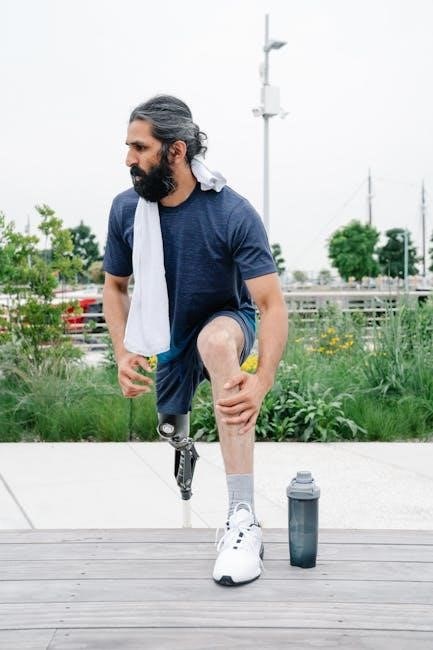
Maintaining Results After the 12-Week Program
Successfully completing the 12-week Body For Life program, often accessed through its detailed PDF guide, is a significant achievement, but sustaining those gains requires a strategic shift. The PDF doesn’t offer a rigid endpoint; instead, it emphasizes integrating the core principles into a long-term lifestyle.
This means continuing to prioritize regular exercise, utilizing the tracking features within the PDF to monitor progress, and consistently applying progressive overload. Don’t revert to old habits! Periodically revisit the PDF to refresh your understanding of the program’s foundations. Consider incorporating new challenges and variations to prevent plateaus and maintain motivation. Remember, consistency is paramount for lasting results.
Integrating Body For Life Principles into a Lifestyle
The Body For Life program, detailed within its accessible PDF format, isn’t intended as a temporary fix but a catalyst for lasting change. Successfully embedding its principles requires viewing fitness and nutrition as integral components of daily living, not isolated events.
Utilize the PDF’s framework to establish consistent workout routines, adapting exercises as needed to fit your evolving lifestyle. Prioritize protein intake for muscle recovery, as highlighted in resources accompanying the PDF. Focus on harmonizing lifestyle choices, recognizing that physical activity and proper nutrition are interconnected. Make small, sustainable adjustments rather than drastic overhauls, ensuring long-term adherence and continued well-being.



Leave a Reply
You must be logged in to post a comment.