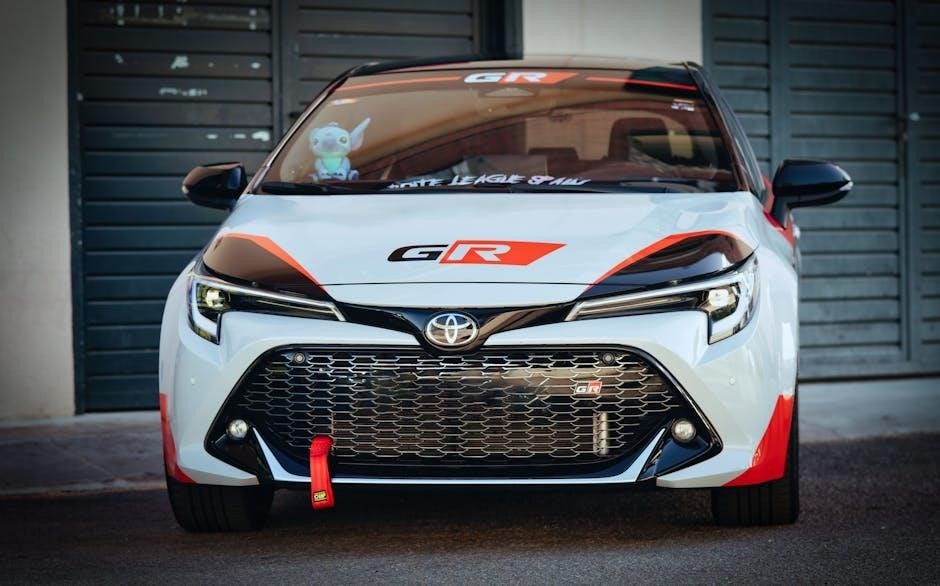
The 2010 Toyota Corolla, a reliable compact car, offered a satisfying manual transmission option for drivers seeking greater control and engagement․
Numerous online resources detail its features․
Released in 2010, films like “” and “” were popular, alongside software like Microsoft Office 2010 and Visual C 2010․
This guide explores the intricacies of operating and maintaining this specific Corolla’s manual system, ensuring a smooth and enjoyable driving experience for years to come․
Overview of the 2010 Corolla
The 2010 Toyota Corolla represented a continuation of the model’s long-standing reputation for dependability, fuel efficiency, and affordability․ Available in a variety of trims – including base, LE, and S – the Corolla catered to a broad spectrum of drivers․ While automatic transmissions were prevalent, a five-speed manual transmission was offered, providing a more connected driving experience․
Notably, 2010 saw a surge in digital content, with films like “” ( ) and “” gaining popularity, alongside software releases like Microsoft Office 2010 and Visual C 2010․ This era also witnessed a growing interest in online resources and communities dedicated to automotive maintenance and repair․
The 2010 Corolla featured a 1․8-liter four-cylinder engine, delivering adequate power for daily commuting and highway driving․ The manual transmission allowed drivers to maximize fuel economy and enjoy a more engaging driving experience․ Its simple design and robust construction contributed to its overall reliability, making it a popular choice for first-time car buyers and those seeking a practical, no-frills vehicle․
Why Choose a Manual Transmission?
Opting for the five-speed manual in the 2010 Toyota Corolla offers several advantages over the automatic․ Drivers gain a heightened sense of control, directly influencing gear selection for optimal performance and engine braking․ This translates to a more engaging and connected driving experience, particularly appealing to enthusiasts․
Interestingly, 2010 was a year of diverse digital entertainment, with films like “” and “” capturing audiences, alongside software like Microsoft Office 2010 and Visual C 2010․ This period also saw a rise in online communities focused on car modification and driving techniques․
Furthermore, a manual transmission often results in slightly improved fuel economy, as drivers can select the most efficient gear for the driving conditions․ While the difference may be marginal, it contributes to lower running costs․ The manual gearbox also tends to be simpler and more durable than an automatic, potentially reducing long-term maintenance expenses․

Understanding the 2010 Corolla’s Manual Transmission
The 2010 Corolla’s manual transmission is a five-speed system, designed for reliability and driver engagement, alongside popular 2010 releases like various films and software․
Transmission Type and Gear Ratios
The 2010 Toyota Corolla equipped with a manual transmission utilizes a fully synchronized five-speed gearbox․ This configuration was favored for its balance between fuel efficiency and driver control, coinciding with the release year of popular media like films and software updates․
Specifically, the gear ratios are as follows: First gear is 3․934, second gear is 2․002, third gear is 1․300, fourth gear is 0․969, and fifth gear (overdrive) is 0․794․ The final drive ratio is 3․934․ These ratios are carefully calibrated to provide responsive acceleration and comfortable highway cruising․
These ratios allow for a broad range of speeds and torque multiplication, ensuring optimal performance in various driving conditions․ Understanding these ratios is crucial for maximizing the Corolla’s potential, much like understanding the technology released in 2010․
Clutch System Details

The 2010 Toyota Corolla’s manual transmission features a conventional, hydraulically actuated clutch system․ This system employs a single-plate, dry friction clutch with a diameter of approximately 215mm (8․5 inches)․ The clutch utilizes a diaphragm spring for consistent clamping force, similar to technologies evolving alongside popular culture in 2010․
The hydraulic system consists of a master cylinder located in the engine compartment and a slave cylinder positioned near the transmission․ When the driver presses the clutch pedal, it actuates the master cylinder, sending hydraulic pressure to the slave cylinder, which disengages the clutch․
Proper clutch operation is vital for smooth shifting and preventing premature wear․ Maintaining adequate clutch fluid levels and inspecting for leaks are essential maintenance procedures, mirroring the attention given to software and film releases of that era․
Shifting Mechanism Explained
The 2010 Toyota Corolla’s manual transmission utilizes a traditional shift linkage system․ This system connects the shift lever inside the cabin to the shift forks within the transmission housing․ Cables and pivot points translate the driver’s movements into precise gear selections, a mechanical process contemporary with the release of films like “Shutter Island” in 2010․
The shift pattern is a standard H-pattern, with five forward gears and one reverse․ Neutral is located centrally within the pattern․ Precise and deliberate movements of the shift lever are crucial for engaging the desired gear smoothly․
Regular inspection of the shift linkage for wear or looseness is recommended․ Proper lubrication of pivot points ensures smooth operation and prevents imprecise shifting, much like maintaining software such as Visual C 2010․
Operating the 2010 Corolla Manual Transmission
Mastering the 2010 Corolla’s manual transmission requires coordination and practice, similar to navigating the digital landscape of 2010 software releases․
Smooth operation involves precise clutch control and deliberate gear selection, ensuring a connected driving experience․
Proper Shifting Techniques
Achieving smooth gear changes in the 2010 Toyota Corolla manual requires a synchronized dance between the clutch pedal, the gear shifter, and the accelerator․ Begin by fully depressing the clutch pedal before moving the shifter to the desired gear․ Simultaneously, gently release the accelerator․
As the clutch engages, gradually apply pressure to the accelerator․ The goal is a seamless transition, avoiding jerks or stalling․ Listen to the engine; it will guide you to the optimal engagement point․ Downshifting follows a similar principle, but often requires a technique called “rev-matching․”
Rev-matching involves briefly tapping the accelerator while the clutch is disengaged to raise the engine speed to match the lower gear․ This minimizes drivetrain shock and promotes smoother downshifts․ Remember, practice makes perfect! Like navigating the software releases of 2010, mastering this skill takes time and patience․ Consider the films released that year as motivation!
Hill Starts and Avoiding Rollback
Starting on an incline with the 2010 Toyota Corolla manual demands a coordinated technique to prevent rollback․ Engage the parking brake firmly․ With the brake pedal depressed and the clutch fully engaged, shift into first gear․
Slowly release the brake pedal while simultaneously releasing the parking brake and gently applying pressure to the accelerator․ The key is finding the “friction point” – where the clutch begins to engage – and balancing it with the gas․
Quick reflexes are crucial․ If you feel the car beginning to roll back, immediately depress the clutch and reapply the brake․ Like navigating the complexities of software updates in 2010, or enjoying films released that year, practice builds confidence․ Mastering hill starts ensures a safe and controlled driving experience, avoiding embarrassing or dangerous rollbacks․
Smooth Downshifting for Control
Downshifting the 2010 Toyota Corolla’s manual transmission provides enhanced control, particularly when approaching corners or needing more engine braking․ Initiate the downshift by releasing the accelerator and depressing the clutch pedal fully․
Select the lower gear – for example, from third to second – and simultaneously “blip” the throttle․ This brief acceleration matches the engine speed to the wheel speed in the lower gear, creating a smoother transition․
Gradually release the clutch while gently reapplying the accelerator․ Like the release of popular films in 2010, timing is everything․ A well-executed downshift minimizes jerkiness and maximizes control, offering a more refined driving experience․ Mastering this technique, alongside regular maintenance, ensures optimal performance and longevity of your Corolla’s transmission․

Maintenance and Troubleshooting
Regular checks and timely repairs are crucial for the 2010 Corolla’s manual transmission, mirroring the software updates of 2010 like Visual C․
Addressing issues promptly prevents costly damage and ensures continued reliable operation, similar to film restorations from that year․
Regular Maintenance Schedule for Manual Transmission
Maintaining the 2010 Toyota Corolla’s manual transmission requires a consistent schedule to ensure longevity and optimal performance․ Every 30,000 miles, inspect the shift linkage for wear and proper adjustment; similar diligence was applied to software releases like Microsoft Office 2010․
Fluid changes are vital – replace the manual transmission fluid every 60,000 miles, or sooner if operating in severe conditions․ This fluid lubricates gears and synchronizers, preventing premature wear․ Inspect the clutch master and slave cylinders for leaks at each oil change, akin to checking for updates in films released in 2010․
Additionally, check the clutch pedal for smooth operation and proper engagement․ A worn clutch cable (if equipped) should be replaced․ Regularly inspect the transmission mounts for cracks or deterioration․ Following this schedule, alongside attention to details like those found in “The Pacific” (2010), will keep your Corolla shifting smoothly for years․
Common Issues and Their Symptoms
Several issues can arise with the 2010 Toyota Corolla’s manual transmission․ Difficulty shifting, especially into first or reverse, often indicates worn synchronizers, mirroring the complexities seen in films like “Shutter Island” (2010)․ Grinding noises during shifts point to the same problem or low transmission fluid․
Clutch slippage, felt as engine revs increasing without a corresponding speed increase, suggests a worn clutch disc․ A spongy or soft clutch pedal can indicate air in the hydraulic system or a failing master/slave cylinder – issues addressed with the same precision as software updates in 2010․
Unusual noises from the transmission, like whining or humming, may signal worn bearings․ Fluid leaks around the transmission case require immediate attention․ Addressing these symptoms promptly, similar to the detailed narratives in “Let the Bullets Fly” (2010), prevents more extensive and costly repairs․
Clutch Replacement – When and How
Clutch replacement on a 2010 Toyota Corolla manual is typically needed after 60,000-100,000 miles, or when symptoms like consistent slippage, difficulty shifting, or a noisy throwout bearing appear – a process demanding precision akin to reinstalling software like Visual C 2010․ The process involves disconnecting the transmission, removing the old clutch components (disc, pressure plate, throwout bearing), and installing the new set․
Proper alignment of the clutch disc is crucial, often using a specialized tool․ New pilot bearing and rear main seal replacement are recommended during this service․ Torque specifications must be strictly followed during reassembly, mirroring the attention to detail in films released in 2010․
This is a complex task best left to experienced mechanics, though capable DIYers with the right tools and knowledge can undertake it․ Ignoring clutch issues can lead to further damage, much like neglecting system updates․

Detailed Component Breakdown

The 2010 Corolla’s manual transmission features a robust gearbox, a precise clutch system, and a carefully engineered shift linkage – elements mirroring 2010’s software releases․
Each component works in harmony, delivering reliable performance and a connected driving experience, much like popular films of that year․
Gearbox Assembly and Internal Parts
The 2010 Toyota Corolla’s manual transmission gearbox is a five-speed unit, designed for durability and efficiency․ Internally, it comprises a series of precisely machined gears, shafts, and bearings, all housed within a sturdy aluminum casing․ These gears, varying in size, facilitate different speed ratios, allowing the engine to operate within its optimal power band․
Synchromesh mechanisms are crucial for smooth gear engagement, minimizing grinding and wear․ The differential, located within the gearbox, distributes power to the drive wheels, enabling them to rotate at different speeds during cornering․ Countershafts and input/output shafts transmit rotational force, while robust bearings ensure smooth operation and longevity․
Considering the era, alongside releases like Microsoft Office 2010, the Corolla’s gearbox represented a balance of proven technology and manufacturing precision․ Regular inspection of these internal components is vital for maintaining optimal performance, mirroring the care needed for contemporary software updates․
Clutch Disc, Pressure Plate, and Throwout Bearing
The 2010 Toyota Corolla’s manual transmission relies on a conventional hydraulic clutch system․ The clutch disc, a friction material sandwiched between the flywheel and pressure plate, transmits engine power to the transmission when engaged․ The pressure plate, spring-loaded, clamps the disc against the flywheel, creating the connection․
The throwout bearing (release bearing) disengages the clutch when the driver presses the clutch pedal, relieving pressure on the disc․ Proper function of each component is critical for smooth shifting and preventing premature wear․ Like software releases in 2010, such as Visual C 2010, the clutch system requires precise coordination․
Regular inspection for wear and damage is essential․ Symptoms of a failing clutch include slipping, shuddering, and difficulty shifting; Maintaining adequate hydraulic fluid levels is also crucial for optimal clutch operation, ensuring reliable performance mirroring the stability of contemporary systems․
Shift Linkage and Cables
The 2010 Toyota Corolla’s manual transmission utilizes a shift linkage system comprised of cables connecting the shift lever inside the cabin to the transmission itself․ These cables translate the driver’s movements into gear selection within the gearbox․ Precise adjustment of these cables is vital for accurate and effortless shifting․
The linkage ensures that each gear is engaged fully, preventing missed shifts or grinding noises․ Like the release of films in 2010, such as “”, a smooth transition is key․ Regular inspection for wear, corrosion, or damage to the cables and linkage points is recommended․
Symptoms of a faulty shift linkage include sloppy shifting, difficulty finding gears, and a feeling of looseness in the shift lever․ Proper lubrication of the linkage points can help maintain smooth operation and extend the system’s lifespan, ensuring a responsive driving experience․

Driving Tips for Optimal Performance
Mastering the 2010 Corolla’s manual transmission unlocks enhanced fuel efficiency and driving enjoyment, similar to appreciating classic 2010 releases․
Utilize engine braking and smooth shifts for a responsive, controlled ride․
Fuel Efficiency with a Manual Corolla
The 2010 Toyota Corolla, when equipped with a manual transmission, offers excellent potential for fuel efficiency․ Achieving optimal mileage hinges on adopting mindful driving habits and understanding how to best utilize the gearbox․ Unlike automatic transmissions, a manual allows the driver complete control over engine RPMs, directly impacting fuel consumption․
Consistent and smooth shifting, avoiding aggressive acceleration and unnecessary revving, are key․ Maintaining a steady speed and anticipating traffic flow minimizes the need for frequent braking and acceleration cycles, further enhancing fuel economy․ Remember that, much like popular software and films from 2010, consistent performance relies on proper operation․
Selecting the appropriate gear for the driving conditions is crucial․ Utilizing higher gears at lower speeds, when possible, reduces engine strain and fuel usage․ Avoiding lugging the engine – operating in too high a gear at too low a speed – is equally important, as it can also decrease efficiency․ Regular maintenance, as with any vehicle from that era, also contributes to optimal fuel economy․
Performance Driving Techniques
While the 2010 Toyota Corolla isn’t a sports car, its manual transmission allows for engaging performance driving techniques․ Mastering heel-toe downshifting, though challenging, provides smoother transitions and maintains engine speed during cornering․ This technique requires practice and coordination, but significantly improves control․

Rev-matching is essential for seamless gear changes, particularly during spirited driving․ By briefly increasing engine RPMs to match the next gear’s speed, you minimize drivetrain shock and maintain momentum․ Like popular entertainment from 2010, skillful execution enhances the overall experience․
Utilizing the engine’s powerband effectively is key․ Understanding where the engine produces peak torque allows for optimal acceleration and responsiveness․ Quick, precise shifts and maintaining momentum through corners maximize the Corolla’s potential․ Remember, consistent practice and a well-maintained vehicle are crucial for safe and enjoyable performance driving․
Understanding Engine Braking
Engine braking, utilizing the engine’s resistance to slow the 2010 Toyota Corolla, is a valuable skill for manual transmission drivers․ Downshifting to a lower gear creates drag, reducing reliance on the brake pads and enhancing control, especially on descents․ This technique, like accessing films released in 2010, requires understanding and practice․
Proper execution involves smoothly downshifting while releasing the accelerator․ Avoid abrupt shifts, which can upset the vehicle’s balance․ Coordinating the clutch and throttle is crucial for a seamless transition and preventing wheel lockup․ Remember, engine braking supplements, not replaces, the conventional braking system․
Effective engine braking extends brake life and provides increased control in various driving conditions․ It’s particularly useful when approaching corners or navigating slippery surfaces․ Mastering this technique, alongside regular maintenance – similar to updating software like Visual C 2010 – contributes to a safer and more confident driving experience․
Resources and Further Information
Explore official Toyota manuals and online forums for detailed insights into the 2010 Corolla’s manual transmission․
Like finding films from 2010, knowledge is key!
Repair guides and communities offer valuable support for maintenance and troubleshooting, enhancing your ownership experience․
Official Toyota Corolla Manual Download
Accessing the official 2010 Toyota Corolla owner’s manual is a crucial first step for any owner or prospective buyer․ While a direct download link isn’t consistently available through Toyota’s current website due to model year changes, several avenues exist to obtain this valuable resource․
Toyota’s customer service can often provide a digital copy via email or direct you to a compatible archive․ Alternatively, dedicated Toyota parts and service websites frequently host archived manuals for older models like the 2010 Corolla․ Remember that information regarding software releases like Microsoft Office 2010 and Visual C 2010 from that era can be found online, mirroring the availability of older vehicle manuals․
Beware of unofficial sources; prioritize Toyota-affiliated websites to ensure accuracy and completeness․ The official manual contains vital information regarding operation, maintenance schedules, safety features, and warranty details – essential for maximizing your Corolla’s lifespan and ensuring safe operation, much like understanding the details of films released in 2010․
Online Forums and Communities
Toyota Corolla enthusiasts have cultivated vibrant online communities dedicated to sharing knowledge, troubleshooting issues, and offering support for owners of all model years, including the 2010 manual transmission variant․ These forums serve as invaluable resources beyond the official owner’s manual․
Popular platforms like Toyota Nation and Corolla Forums host dedicated threads specifically addressing the 2010 Corolla, covering everything from routine maintenance to complex repairs․ Members frequently share DIY guides, diagnostic tips, and experiences with clutch replacements – mirroring the collaborative spirit seen in discussions surrounding software like Visual C 2010 or films released in 2010․
Engaging with these communities allows you to tap into a wealth of collective experience, receive personalized advice, and stay informed about common issues affecting the 2010 Corolla․ Remember to verify information and exercise caution when implementing advice from online sources․
Repair Manuals and Guides
Comprehensive repair manuals are essential for tackling more complex maintenance and repair tasks on your 2010 Toyota Corolla’s manual transmission․ These guides provide detailed diagrams, step-by-step instructions, and torque specifications crucial for accurate repairs, much like detailed guides for software installations like Microsoft Office 2010․
Haynes and Chilton are well-respected publishers offering dedicated repair manuals for the Corolla, covering everything from clutch adjustments to gearbox disassembly․ Digital versions are often available, offering convenient access on tablets or computers․ These resources complement online forums, providing a structured approach to repairs․
Beyond dedicated manuals, online databases and subscription services offer repair information․ Always prioritize safety and consult a qualified mechanic if you’re uncomfortable performing any repair․ Remember, accurate information is key, similar to finding reliable download links for films released in 2010․


Leave a Reply
You must be logged in to post a comment.